
Finition Patrimoine

Finition Patrimoine defines the renovation approach adopted for Le Rucher d'Evolène: a process designed to preserve the identity and character of the property while adapting it for contemporary use.
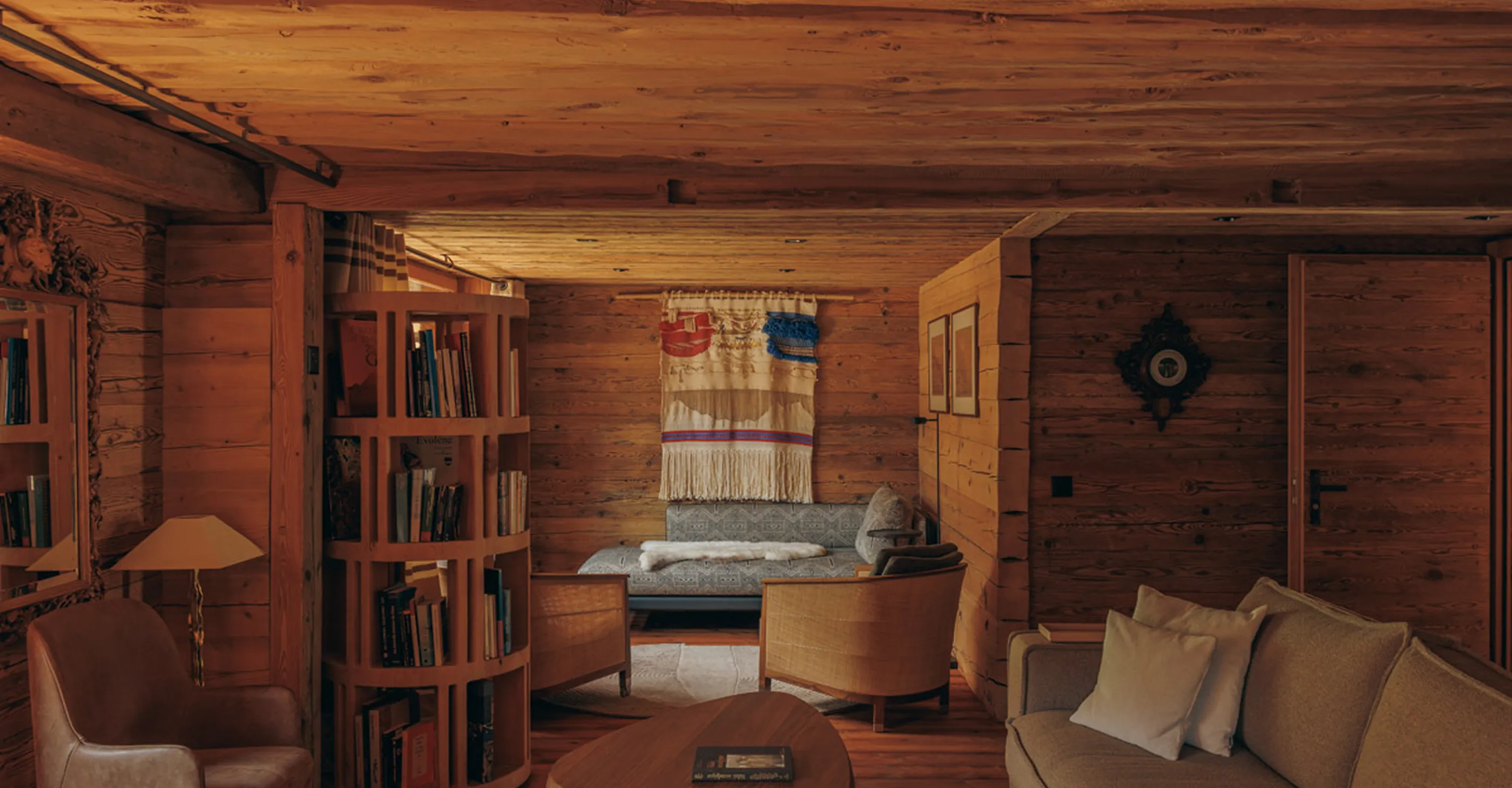
Cozy wooden room with sofa, armchairs, bookshelf, wall tapestry, and warm lighting.
Principle No. 1

Respect the Existing

Preserve the original volumes, materials, and history of the building.
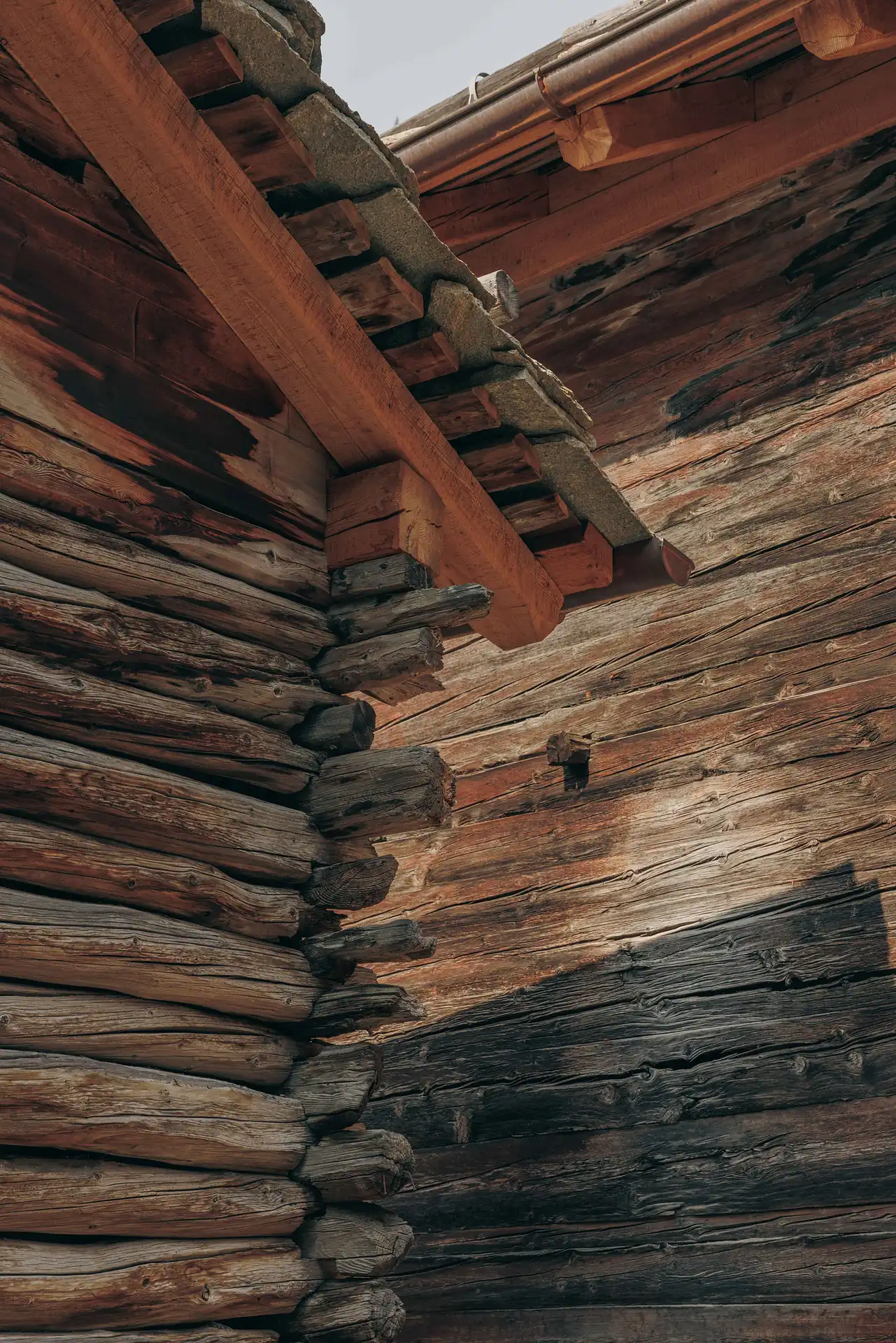
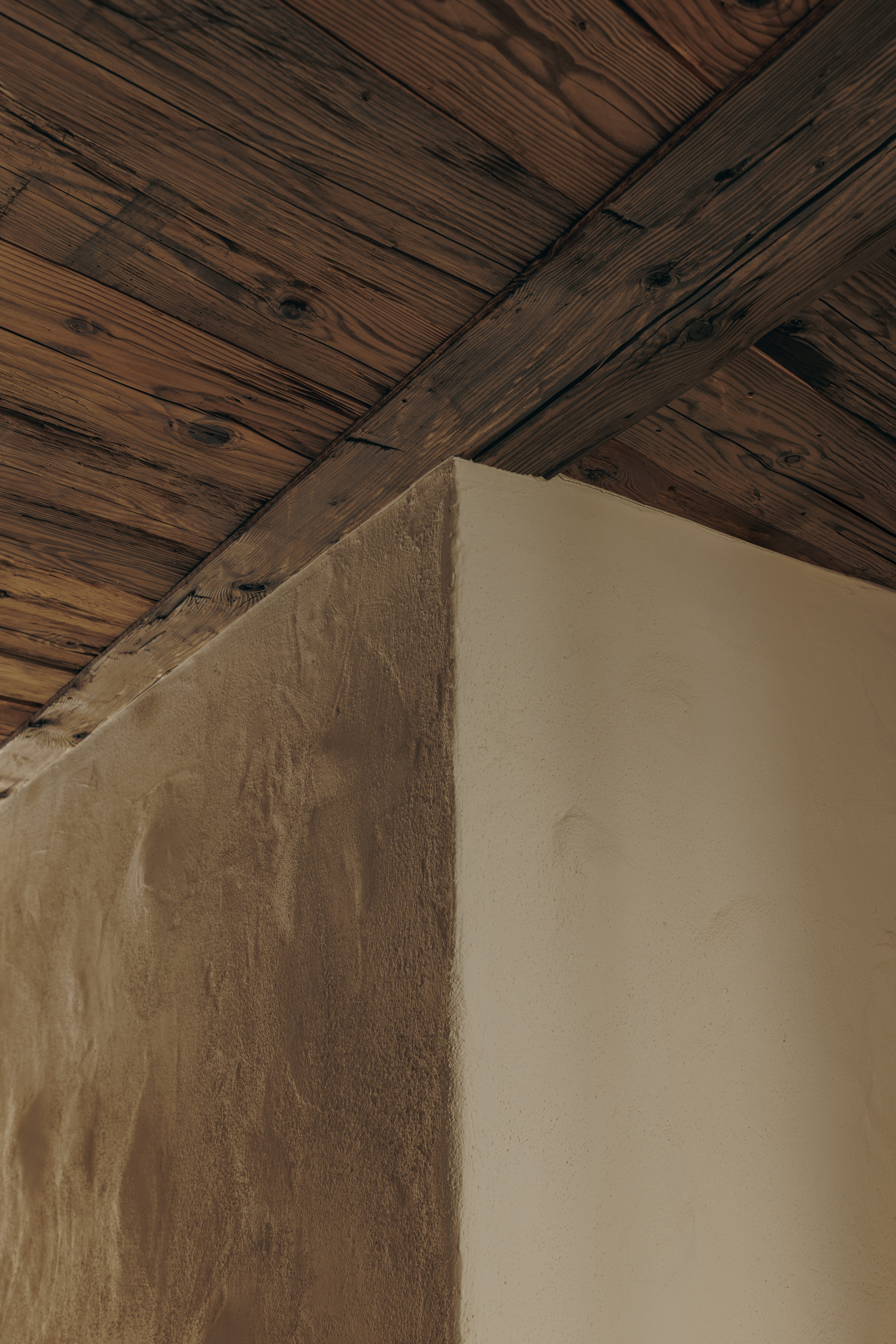
Close-up of corner where old weathered logs and timber beams form a rustic wooden cabin wall.
Principle No. 2

Traditional craftsmanship

Prioritise durable and authentic construction techniques rooted in local know-how.
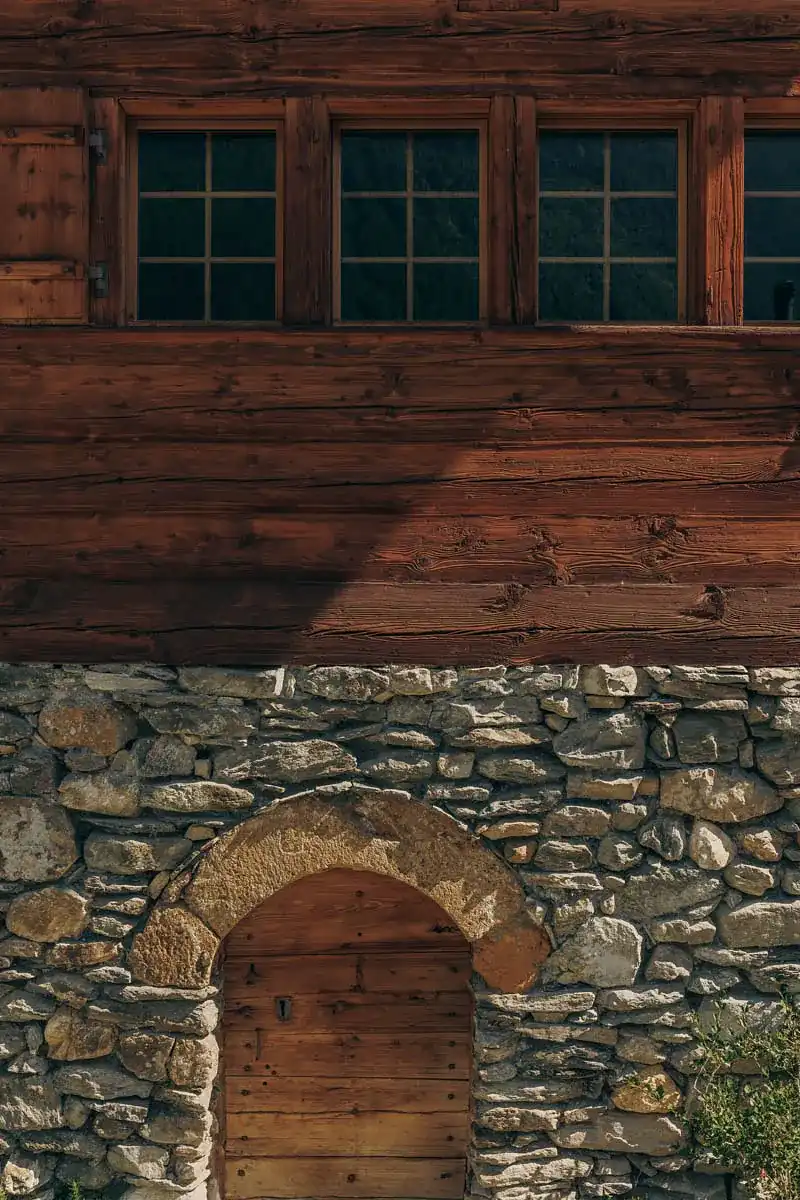
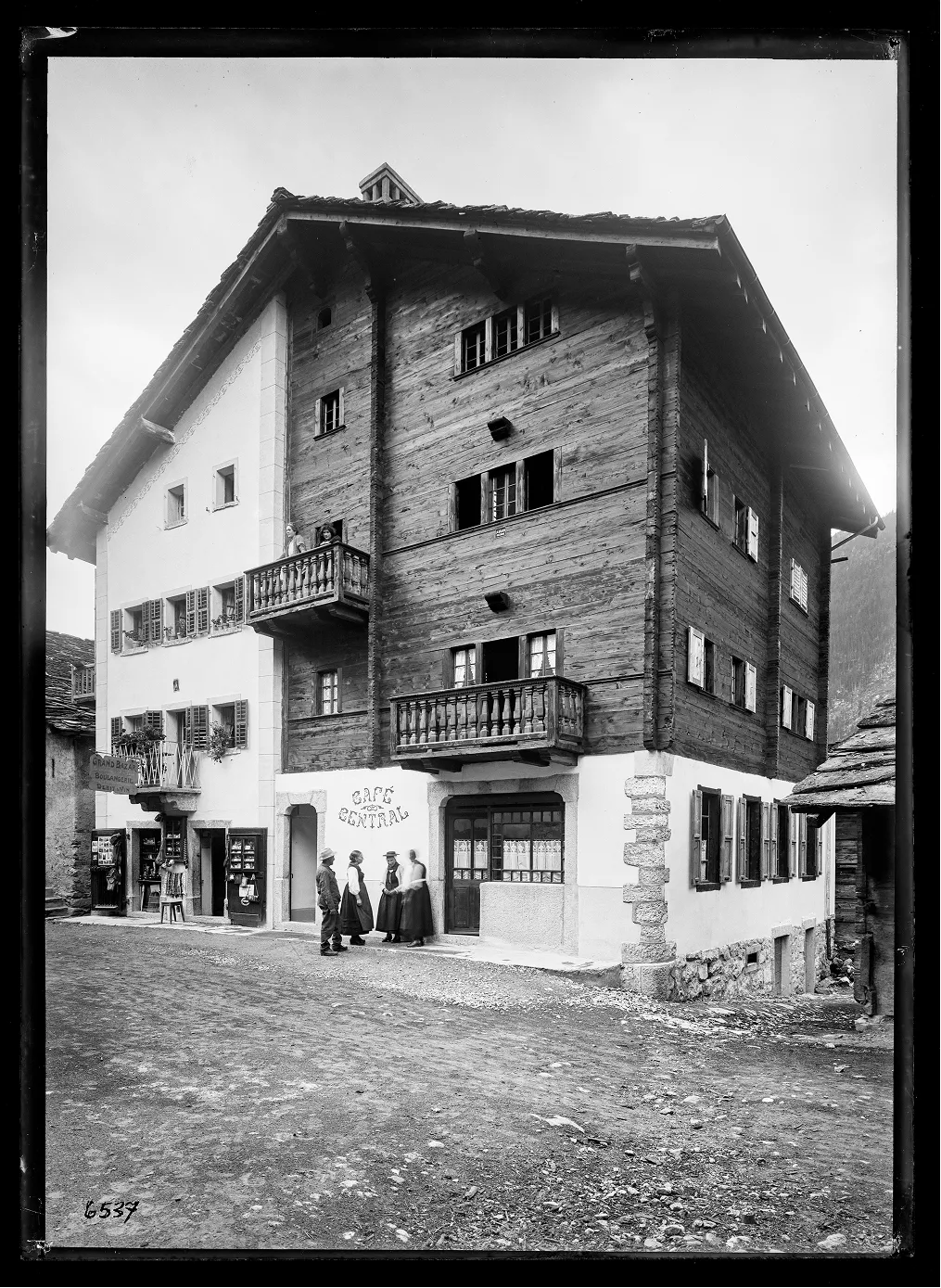
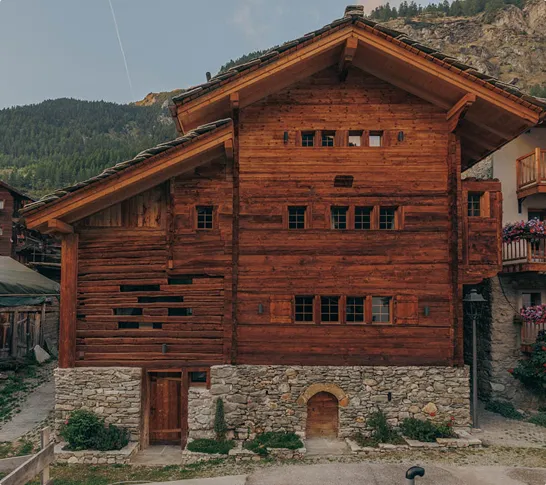
Rustic building facade with stone base, wooden arched door, and upper wooden walls with four square windows.
Principle No. 3

Local Artisans

Work alongside craftspeople from the region.
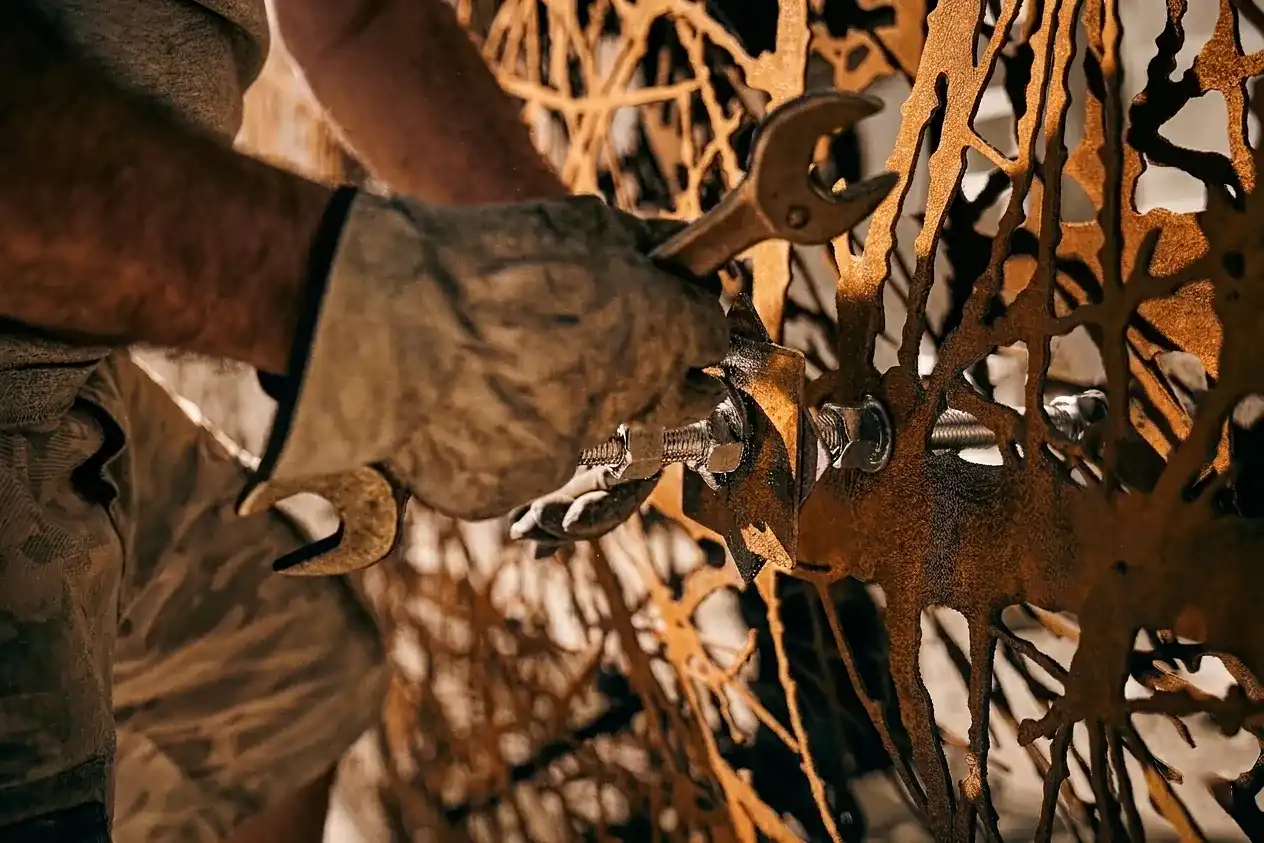
Worker wearing gloves tightening a large bolt on a rust-colored metal sculpture with a wrench.
Principle No. 4

Intervene Only When Necessary

Make changes only where they are genuinely required.
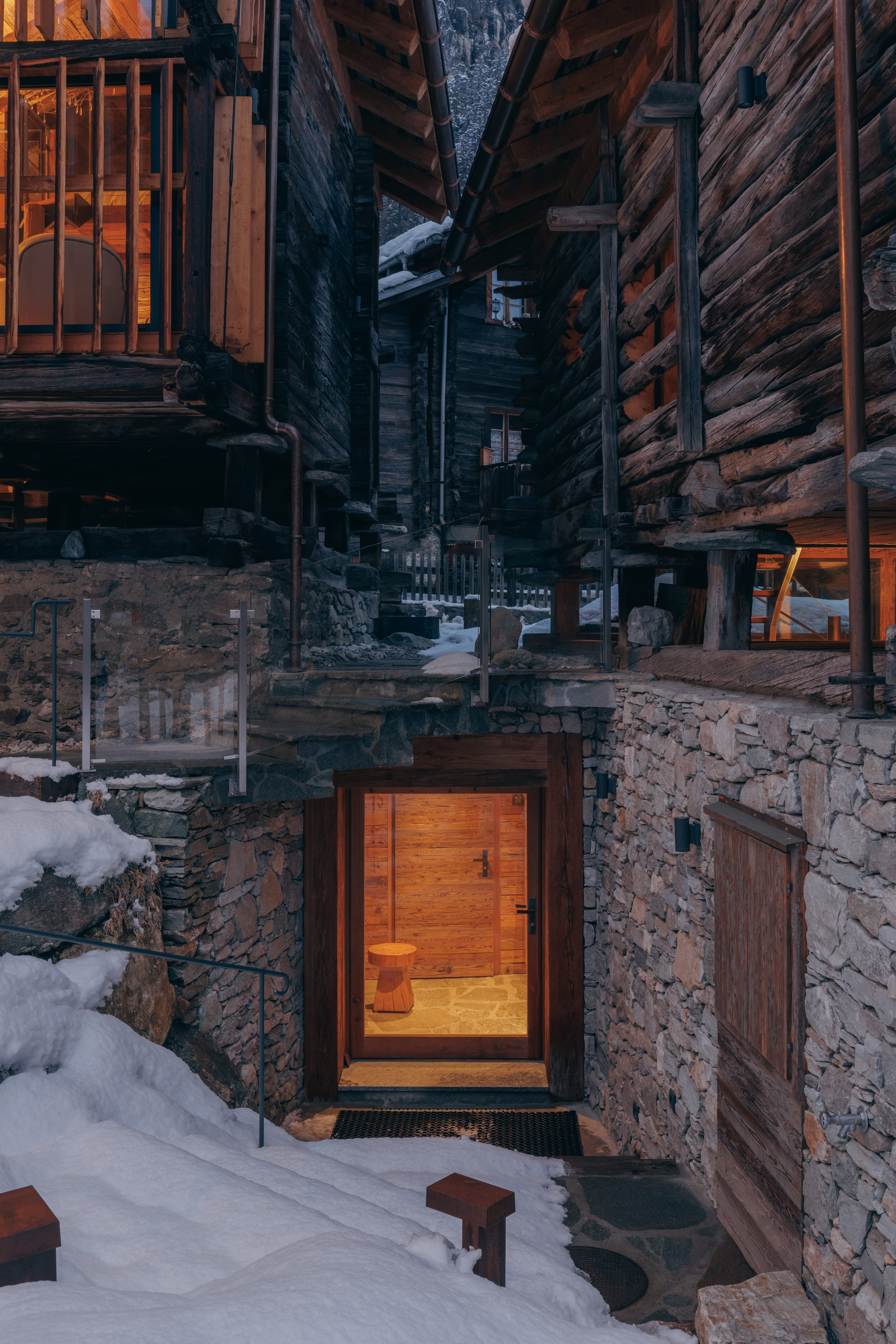
Rough stone floor leading to a wooden-framed glass door with a brick pathway outside.
Principle No. 5

A Living Heritage

Preserve what already exists while welcoming new ways of inhabiting and experiencing the place.
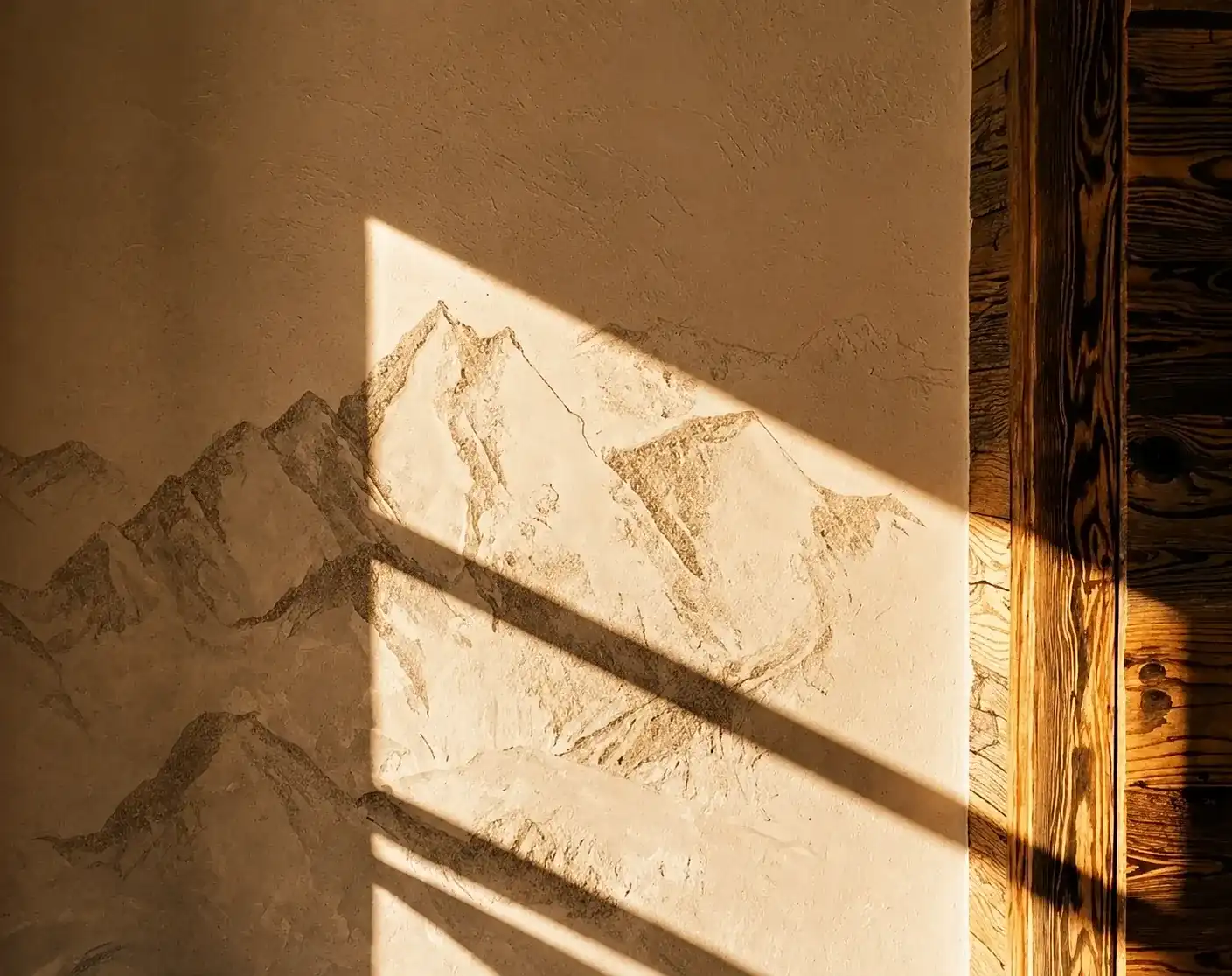
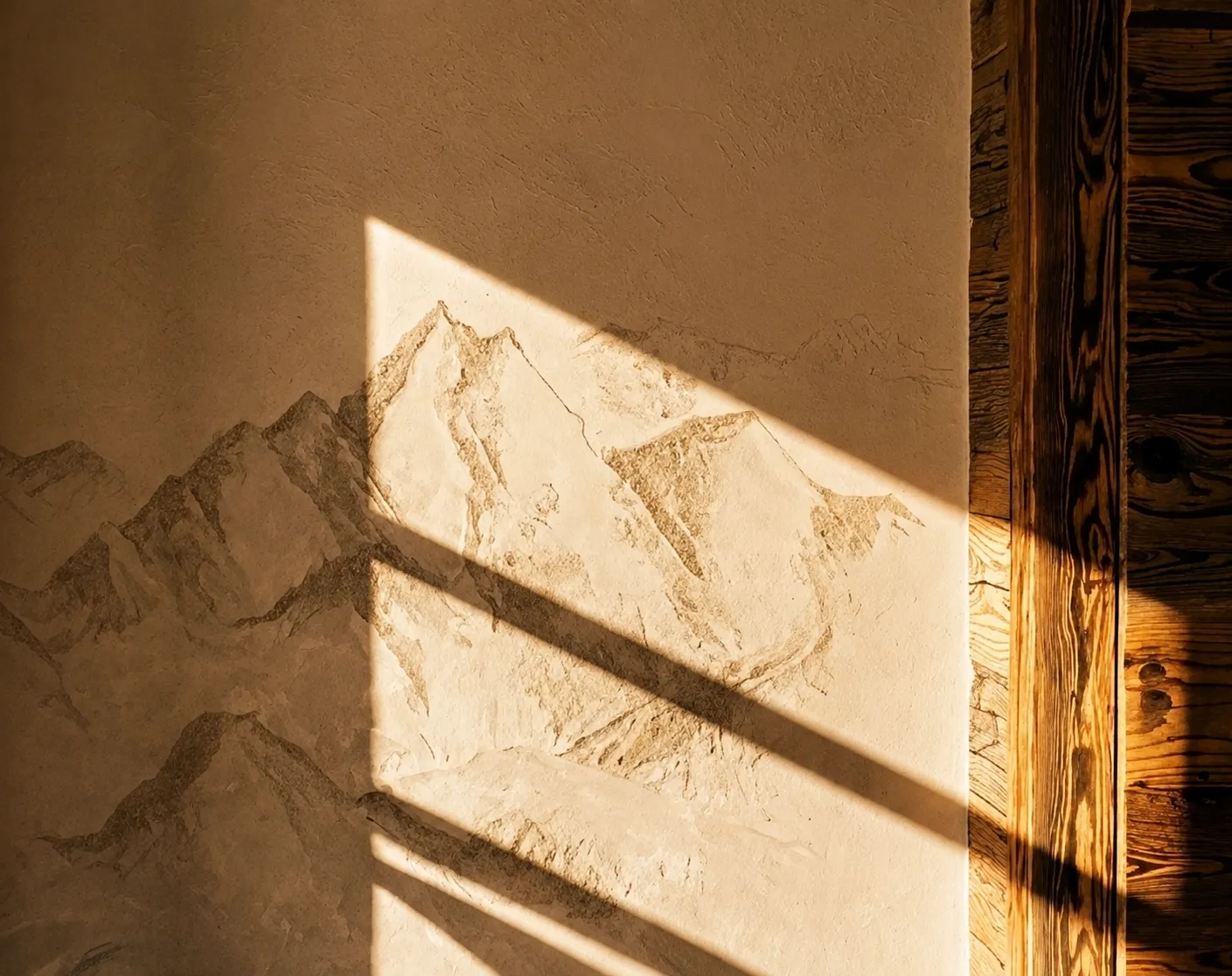
Wall with textured mountain mural partially lit by window shadows next to a wooden frame.

This approach ensures a renovation that remains coherent, faithful to its heritage, and deeply connected to its territory.

Close-up of corner where old weathered logs and timber beams form a rustic wooden cabin wall.
Rustic building facade with stone base, wooden arched door, and upper wooden walls with four square windows.
Worker wearing gloves tightening a large bolt on a rust-colored metal sculpture with a wrench.
Rough stone floor leading to a wooden-framed glass door with a brick pathway outside.
Wall with textured mountain mural partially lit by window shadows next to a wooden frame.
Photo gallery

The art of a living heritage

Refurbishing our chalets means preserving their craft, from the architecture to the artefacts inside. 
Browse our curated collection of discoveries here or on display across our homes.
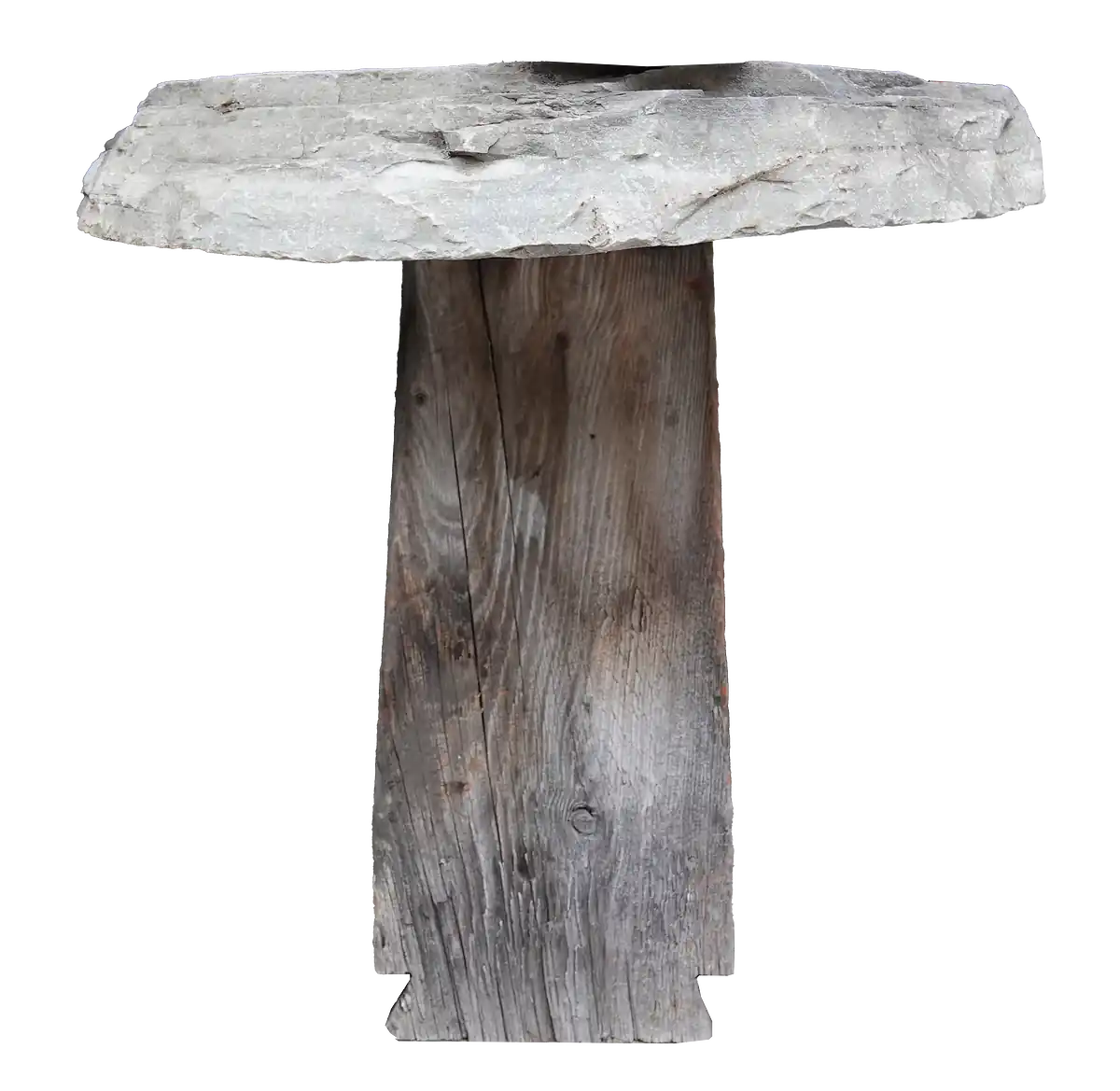
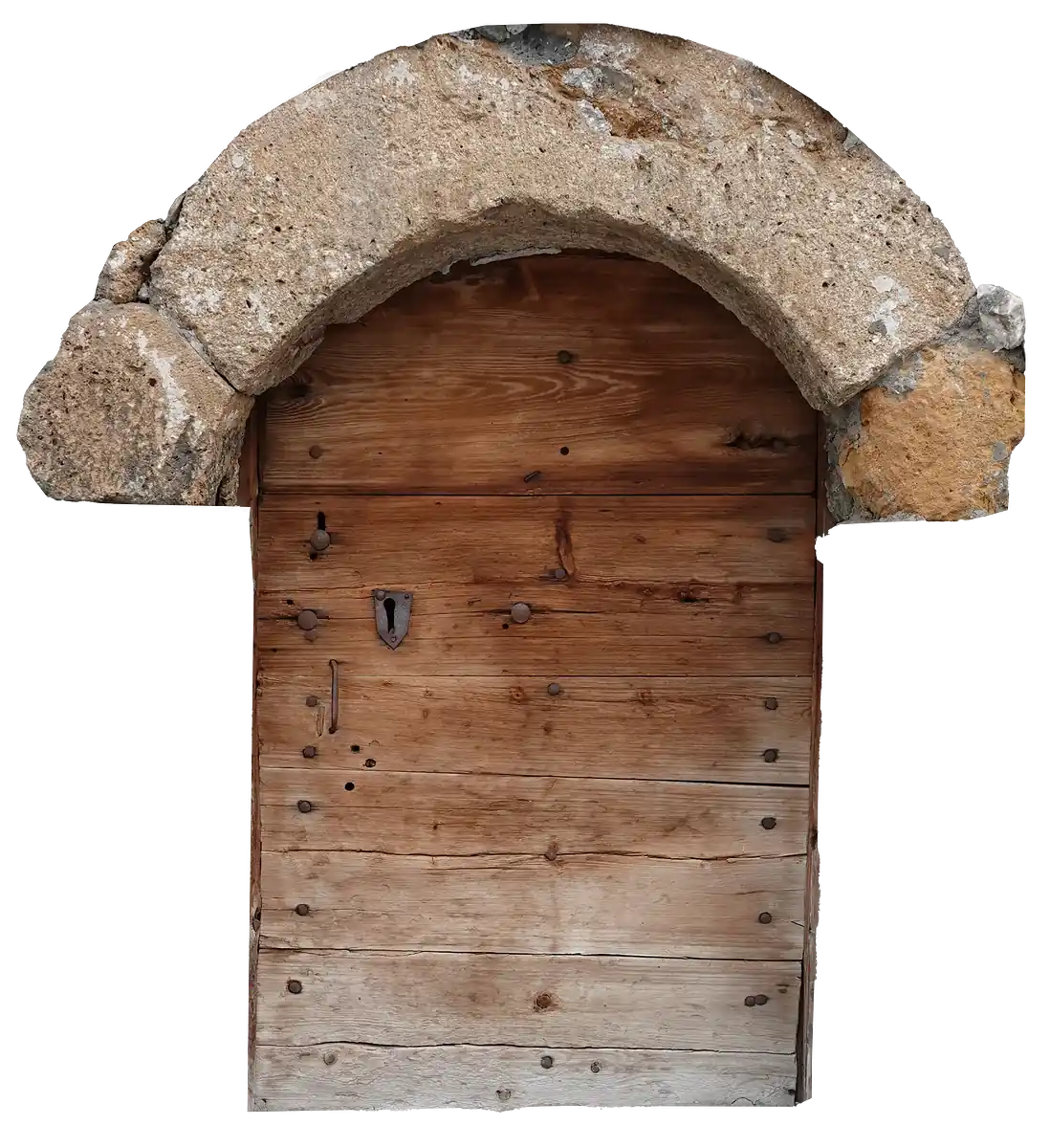
Cellar door

Material
Wood
YEar
Unknown

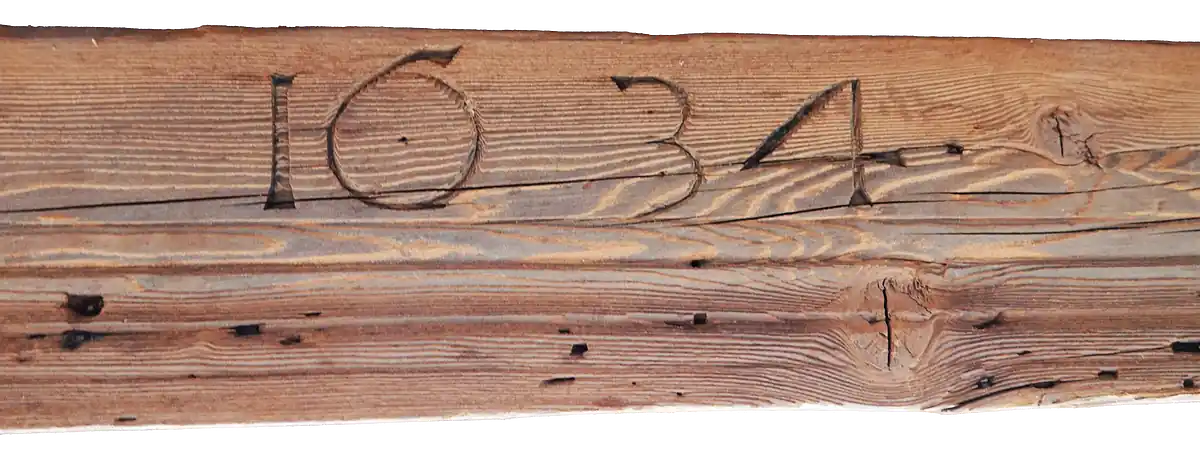
Beam with date

Material
Larch wood
YEar
1634

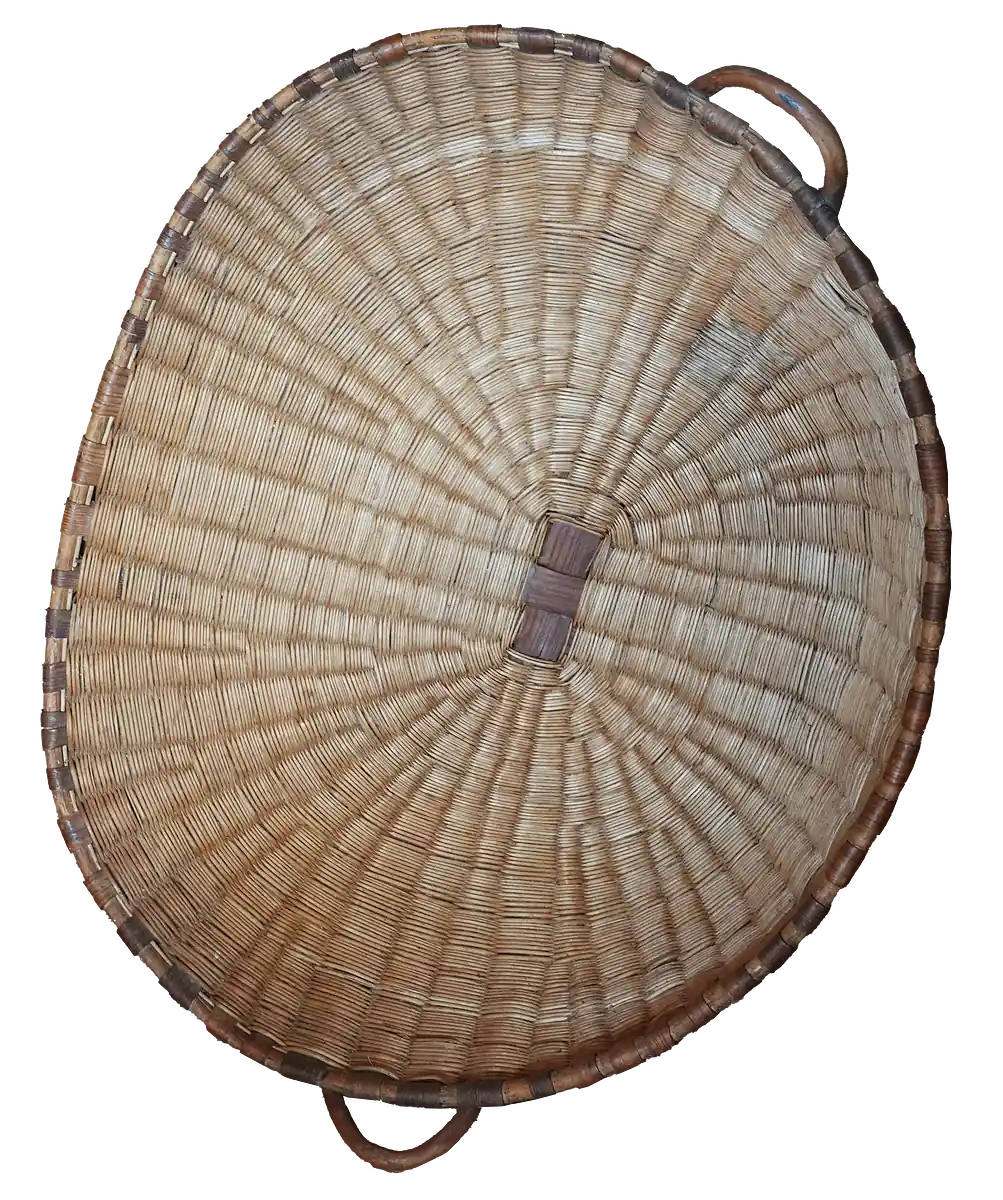
Basket

Material
Willow
YEar
Unknown

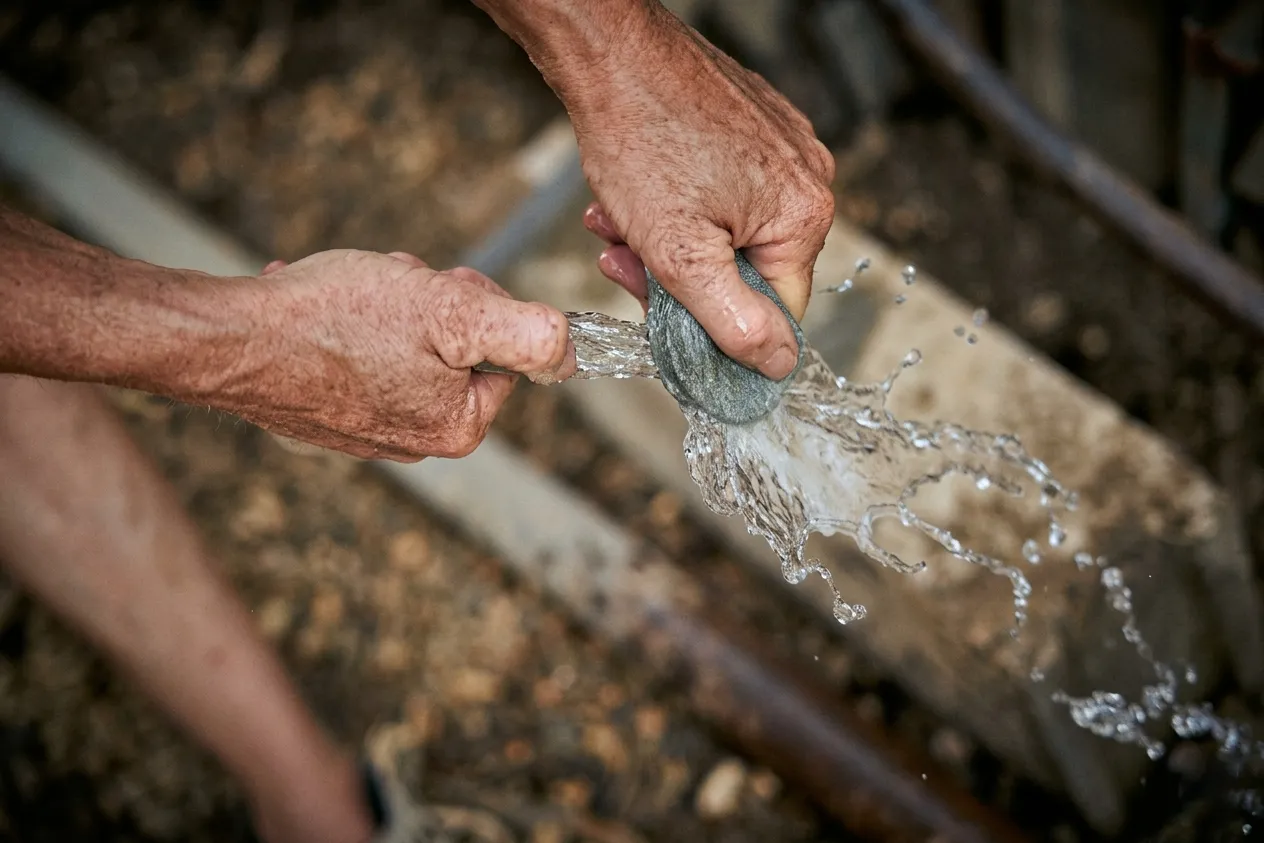
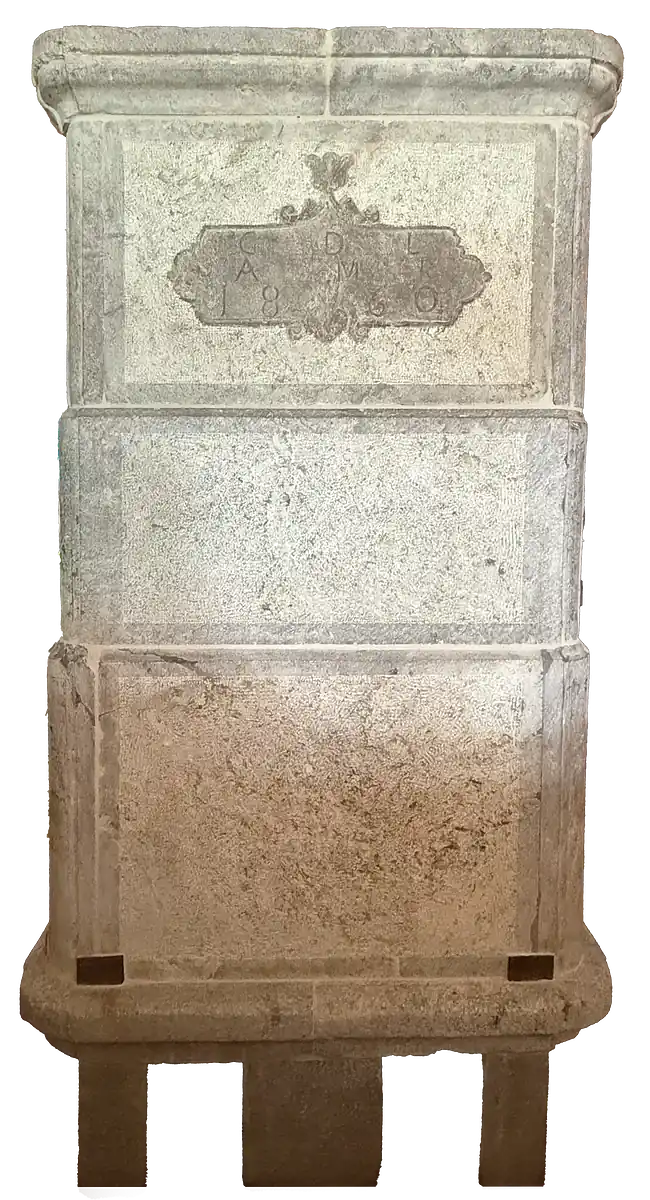
Soapstone oven

Material
Soapstone
YEar
1860

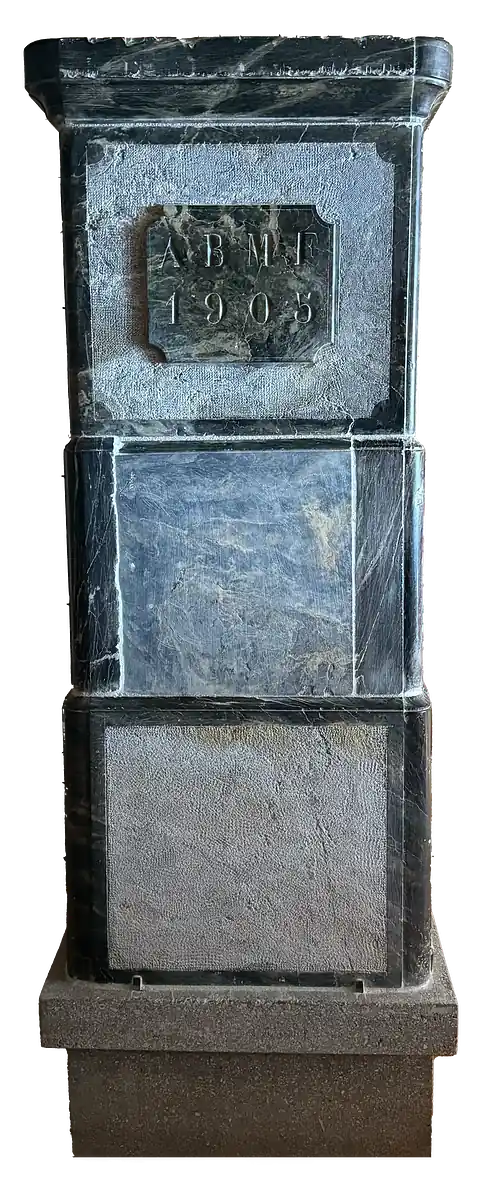
Soapstone oven

Material
Soapstone
YEar
1905

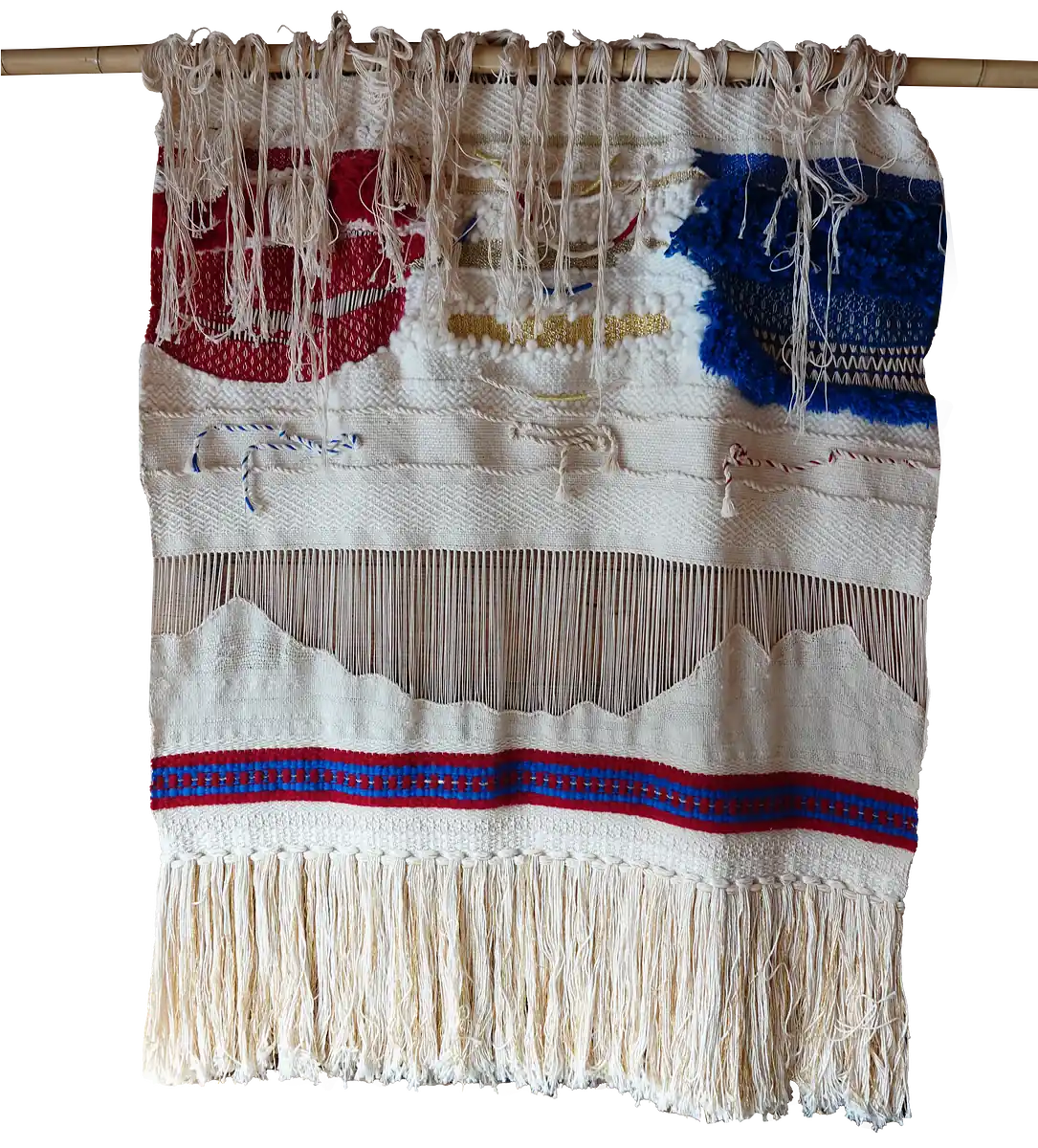
Tapestry 'La Vallée Perdue'

Material
Hand-woven textile
YEar
2024

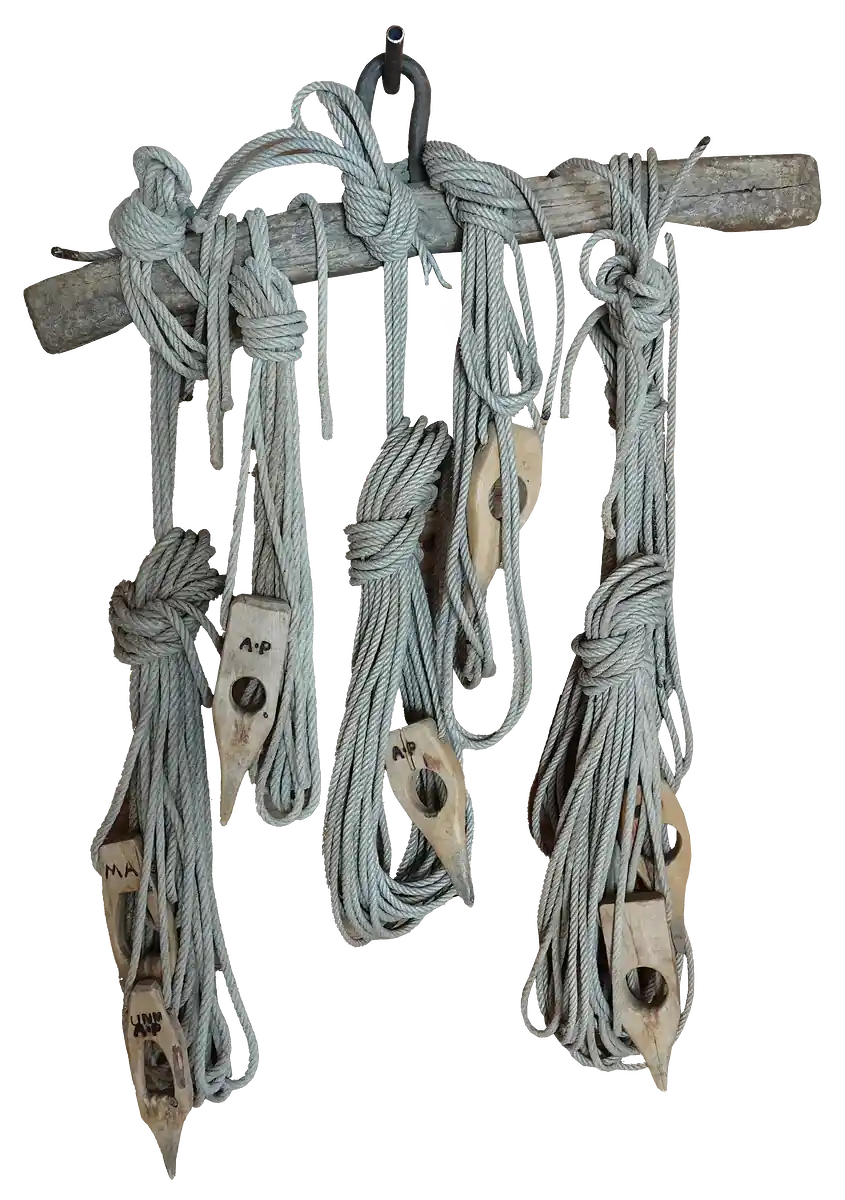
Hay ropes with wooden hay pins

Material
Rope and wood
YEar
Unknown

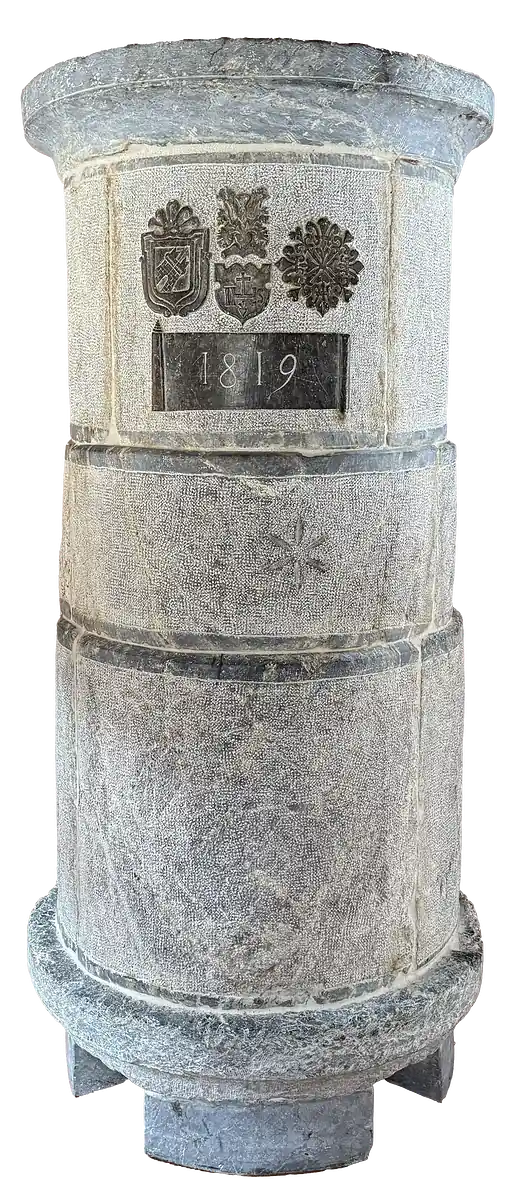
Soapstone oven

Material
Soapstone
YEar
1819

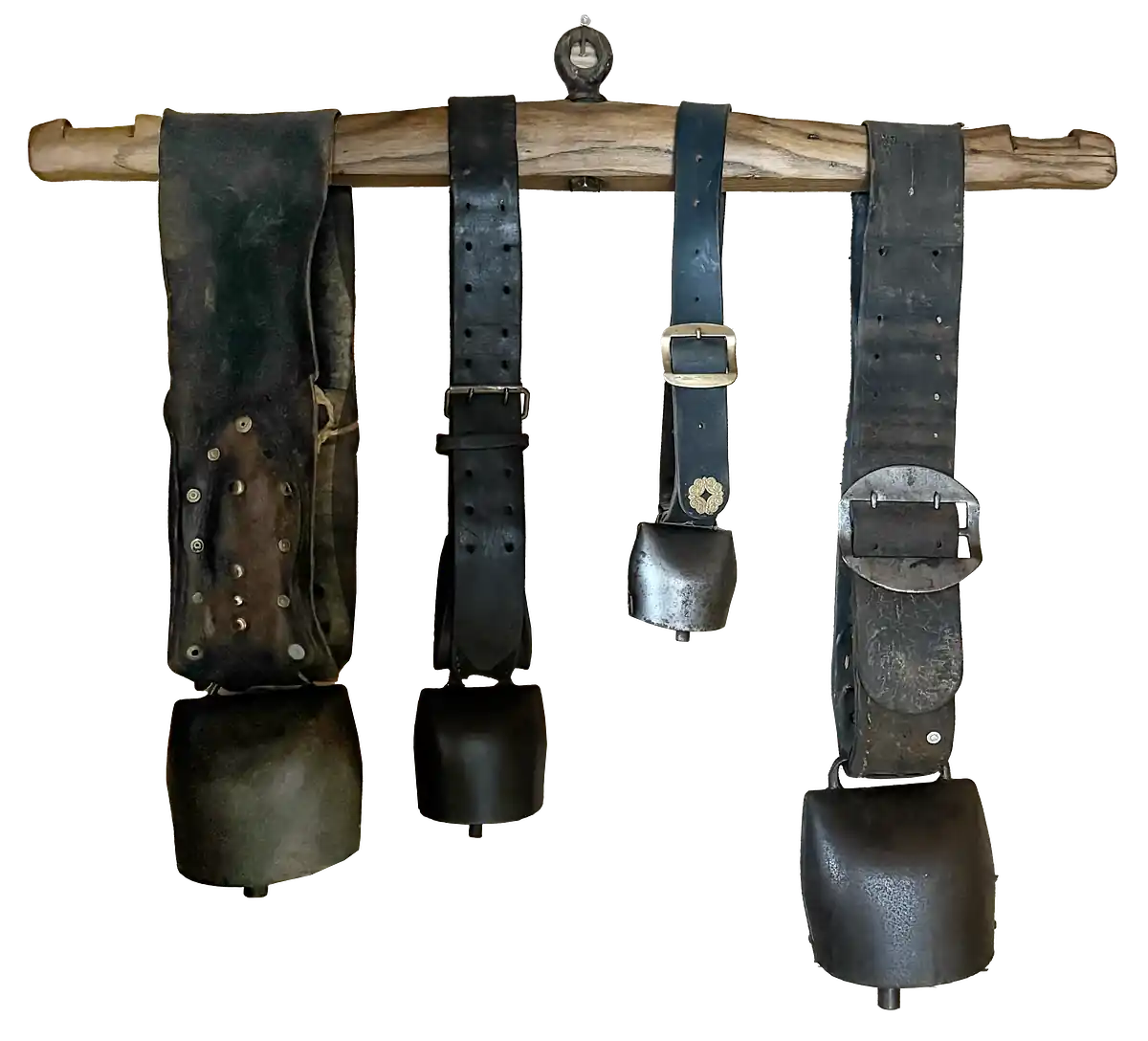
Cow bells

Material
Brass and leather
YEar
Unknown

Raccard elevation stones with old moss

Material
Wood and stone
YEar
Unknown

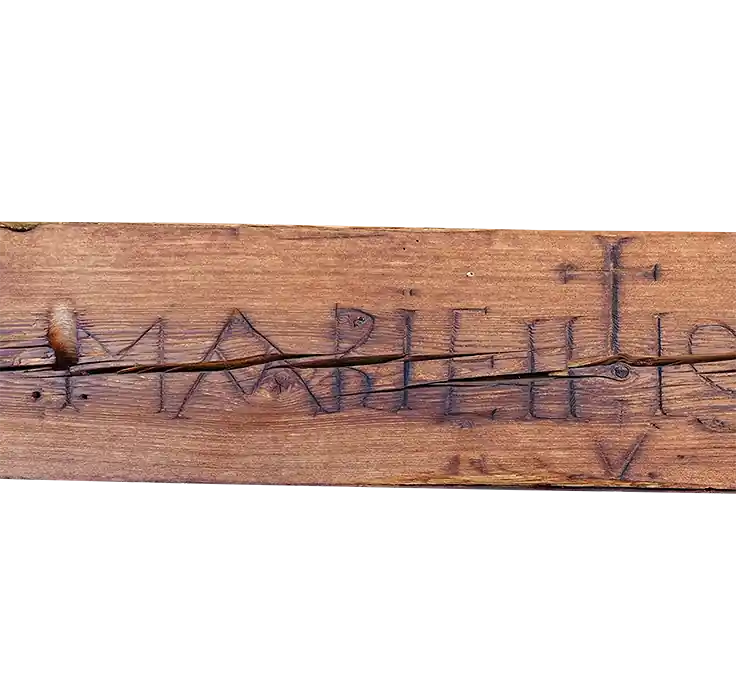
Inscription

Material
Wood
YEar
Unknown
Location
Chez Berthe

Small pantry door

Material
Wood
YEar
Unknown
Location
Chez Berthe

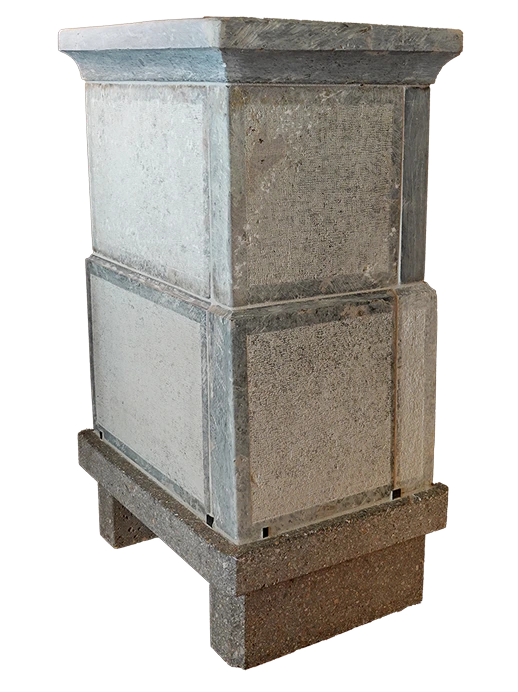
Rectangular heater

Material
Soapstone
YEar
Unknown
Location
Chez Berthe

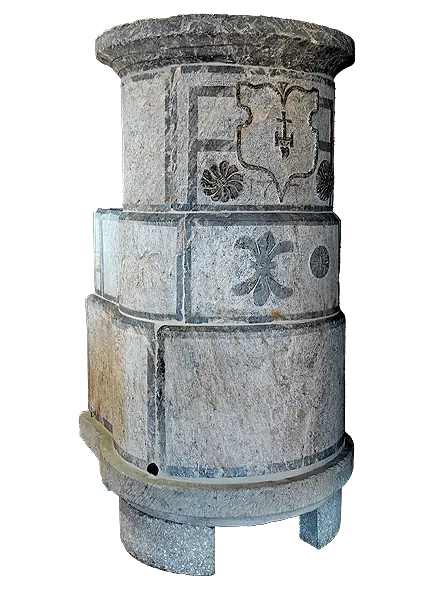
Heater round

Material
Soapstone
YEar
Unknown
Location
Chez Berthe

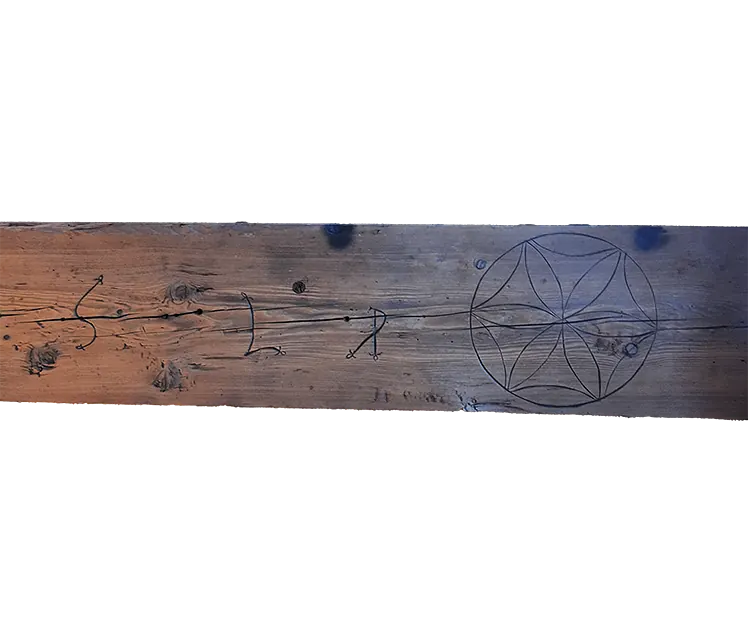
Planeta beam

Material
Larch wood
YEar
1757
Location
Chez Berthe

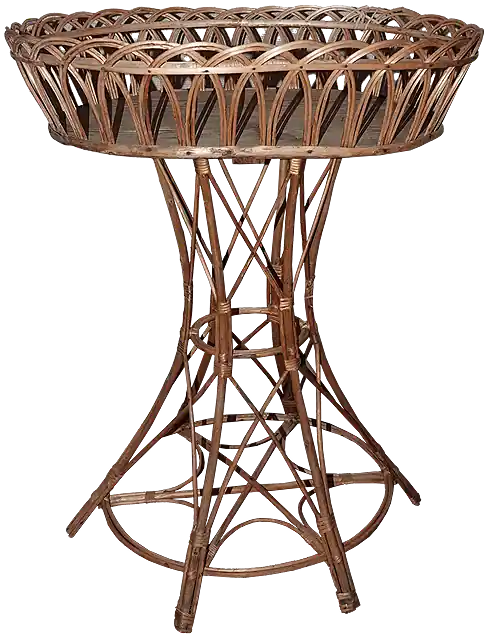
Flower pot

Material
Willow
YEar
Unknown
Location
Chez Berthe